 Anhui Xingtong Technology Co., Ltd

Urban streets are becoming increasingly connected. However, in many traditional urban areas, different infrastructure systems are still installed separately.
Street lighting poles, traffic signal poles, CCTV poles, communication equipment, road signs and other facilities can occupy valuable roadside space. This creates visual clutter, increases installation and maintenance costs, and can make future infrastructure upgrades more difficult.
A new generation of Smart Poles is providing a more integrated approach.
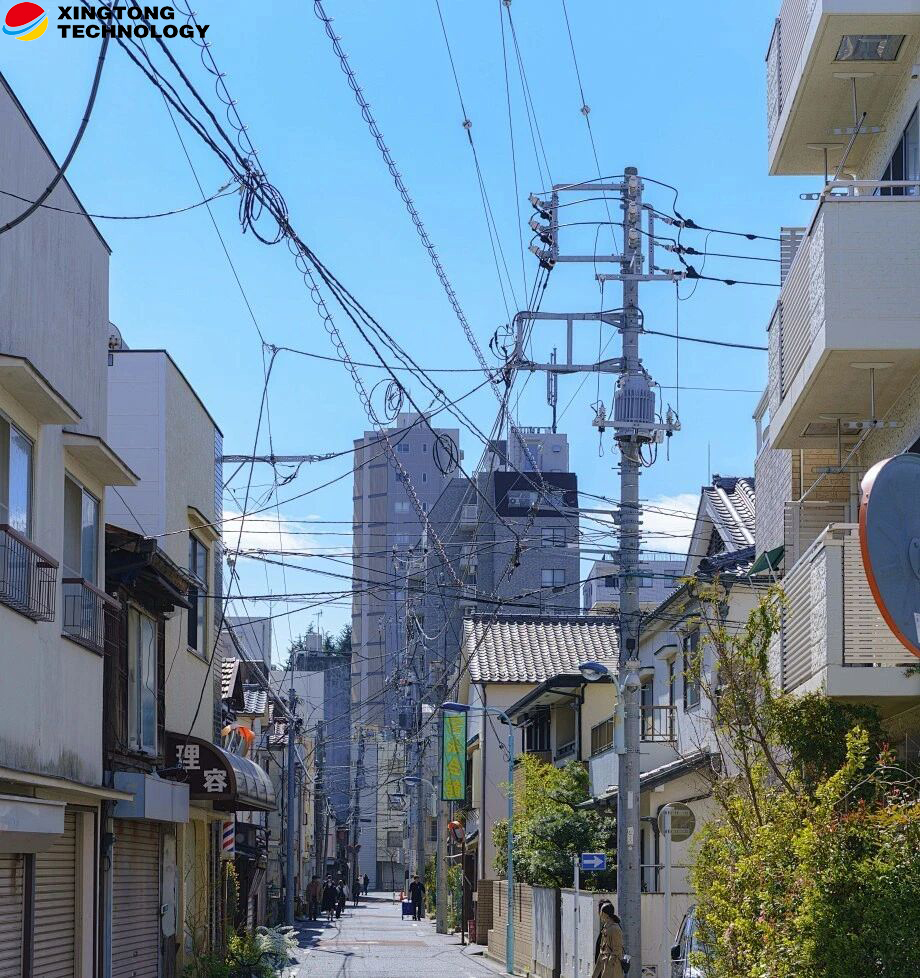
From “Multiple Poles” to “One Integrated Pole”
Traditional urban roads may require multiple poles for different functions, including lighting, traffic management, public security, communication and road signage.
Smart poles integrate multiple functions into a single infrastructure platform.
Depending on project requirements, a multifunctional smart pole can accommodate:
- LED street lighting
- Traffic signals and traffic management equipment
- CCTV cameras
- Road and street-name signs
- Communication equipment and 5G small cells
- Environmental monitoring sensors
- Public safety equipment
- EV charging interfaces
- Other IoT devices
This “multi-function, single-pole” approach can help reduce the number of roadside structures while creating additional space for pedestrians and improving the overall appearance of urban streets.
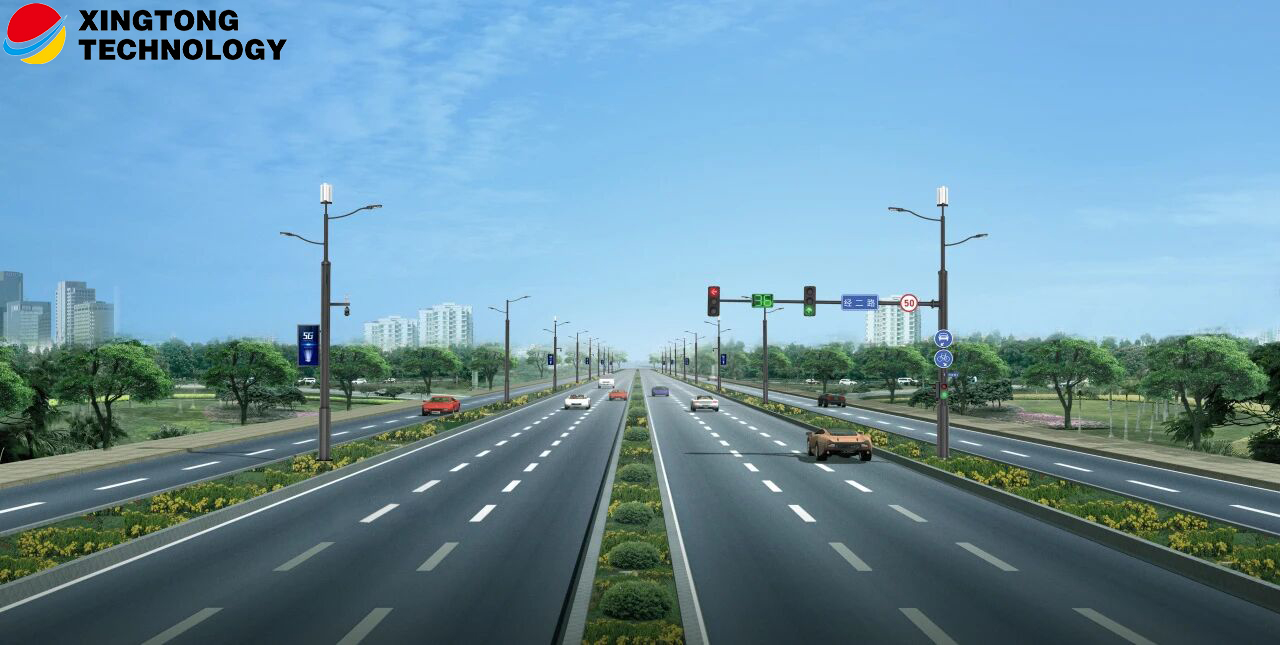
Smart Lighting Meets Smart City Technology
A smart pole is more than a lighting structure.
With integrated sensors and communication technologies, it can become an important physical platform for smart city applications.
Intelligent Street Lighting
Smart LED lighting systems can adjust lighting levels according to factors such as traffic flow, pedestrian activity, weather conditions and time of day.
This can improve lighting efficiency while helping cities reduce unnecessary energy consumption.
Traffic Management
Smart poles can integrate cameras, radar and other sensing devices to collect real-time traffic information.
The collected data can support traffic monitoring, congestion management and intelligent transportation systems.
Public Safety
CCTV cameras, emergency communication devices and other security equipment can be integrated into the pole structure.
This allows smart poles to become part of a city's public safety and emergency-response infrastructure.
Environmental Monitoring
Sensors installed on smart poles can monitor parameters such as air quality, PM2.5, noise and water accumulation.
This information can provide city authorities with more detailed data for urban environmental management.
EV Charging and Green Energy
As electric vehicles become increasingly common, smart poles can also be designed with interfaces for EV charging and other energy-related applications.
This creates opportunities to combine street lighting infrastructure with emerging urban energy systems.
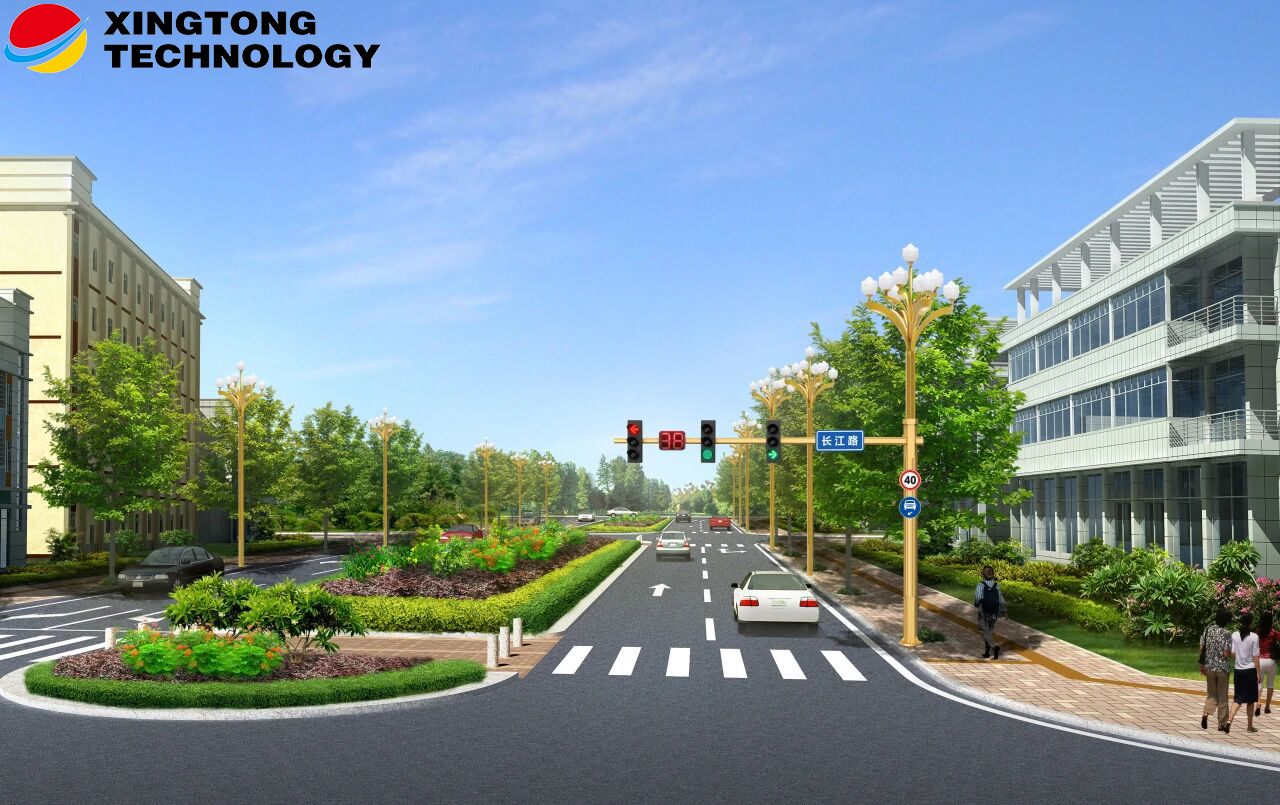
Engineering Design Is Just as Important as Smart Functions
A smart pole must not only accommodate multiple technologies. It must also withstand long-term outdoor environmental conditions.
For infrastructure projects, structural safety, corrosion resistance, modularity and maintainability are essential considerations.
Depending on project requirements, smart poles can utilize high-strength steel structures, corrosion-protection systems and customized surface treatments.
A modular internal design can also provide reserved space and mounting interfaces for future equipment.
This means that new devices can potentially be added later without completely replacing the existing pole structure.
One Pole, Multiple Possibilities
The evolution from conventional street lighting poles to multifunctional smart poles reflects a broader change in urban infrastructure.
A traditional street light pole mainly provides illumination.
A smart pole can become a platform connecting:
Lighting + Communication + Security + Transportation + Environment + Energy + IoT
This makes the pole an important physical interface between urban infrastructure and digital city management.
For new urban development, smart city projects, industrial parks, tourist destinations and urban renewal projects, integrated pole solutions can provide a more flexible infrastructure platform for future expansion.
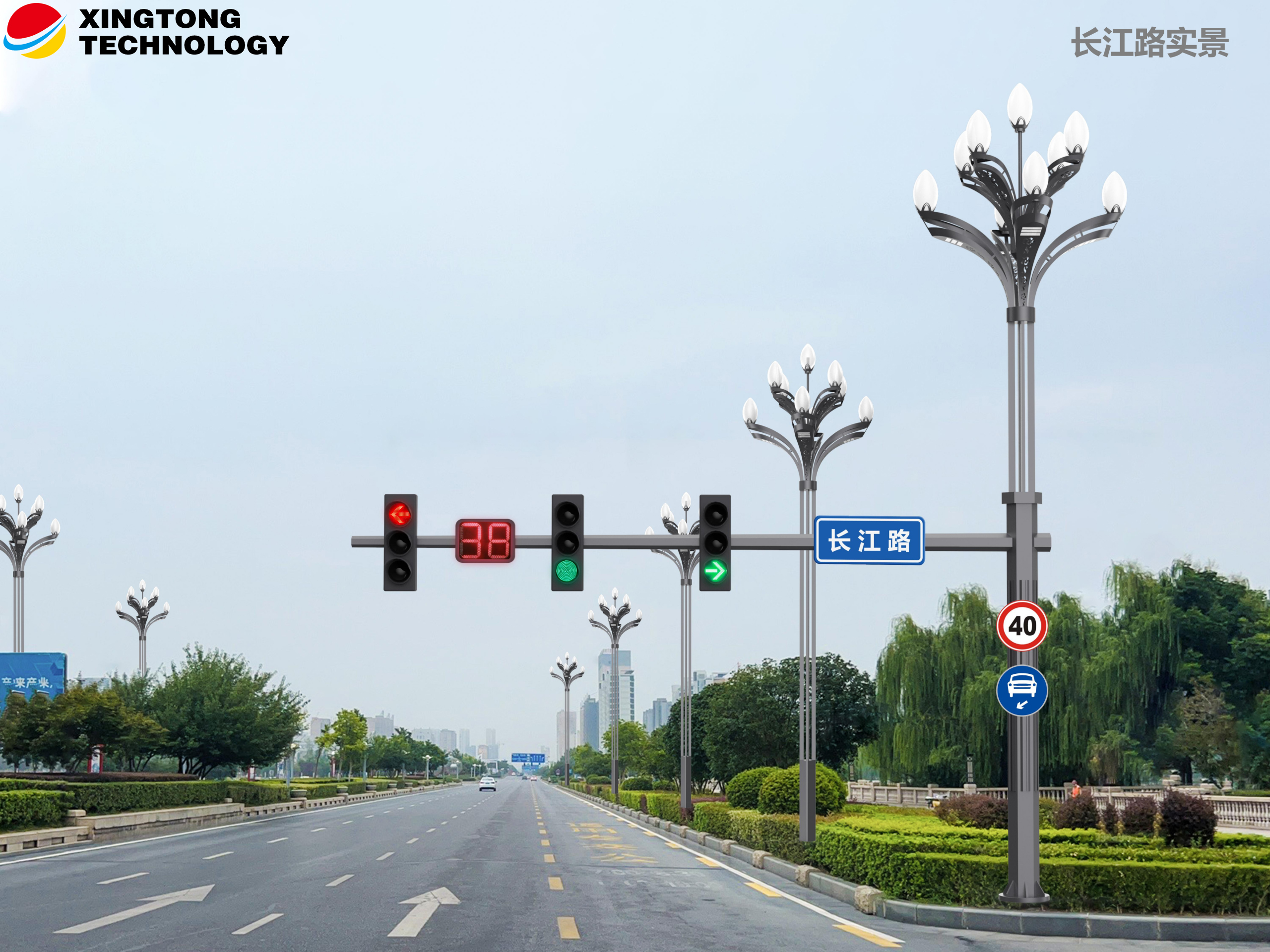
Xingtong Technology: Smart Lighting and Infrastructure Solutions
Anhui Xingtong Technology Co., Ltd. focuses on LED lighting, solar lighting, smart lighting and related energy solutions.
For smart city and urban infrastructure projects, we can provide customized solutions based on project requirements, including:
- Smart street light poles
- Multifunctional lighting poles
- LED street lighting systems
- Solar street lighting systems
- CCTV and communication equipment integration
- Customized pole structures
- Smart city infrastructure solutions
From product design and manufacturing to project-oriented customization, our goal is to help customers develop reliable and scalable infrastructure solutions for modern cities.
Conclusion
The future of urban infrastructure is not simply about installing more equipment.
It is about integrating more functions into smarter, more efficient and more sustainable infrastructure.
The smart pole is one example of this transformation.
By combining lighting, communication, sensing, security, transportation and energy-related functions into a unified platform, smart poles can help cities make better use of limited urban space while preparing infrastructure for future technologies.
One pole can do more. One platform can connect more.
As cities continue to move toward digitalization and intelligent management, smart poles are becoming an increasingly important part of the next generation of urban infrastructure.