 Anhui Xingtong Technology Co., Ltd

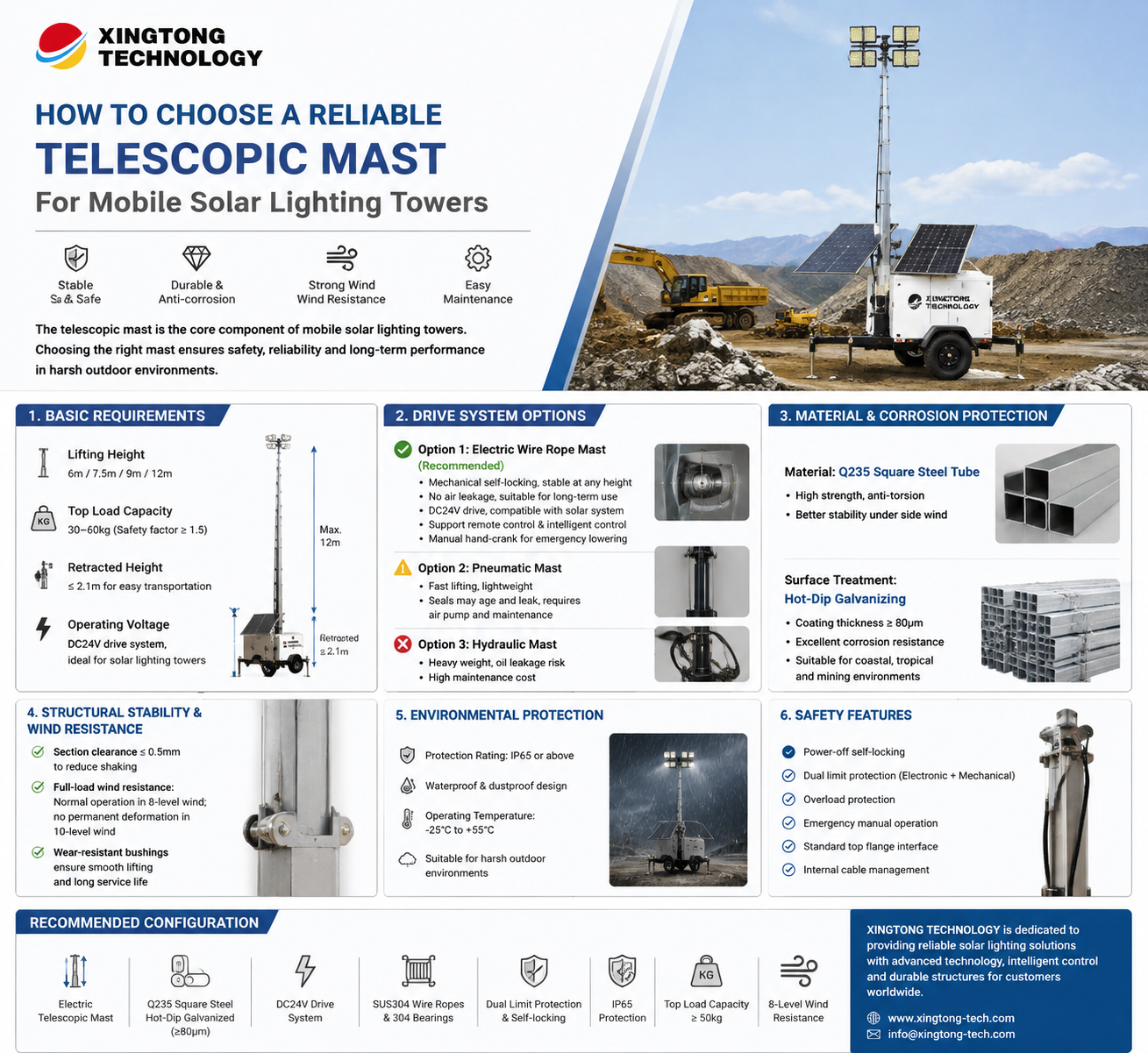
Unlike conventional lighting systems, solar lighting towers are often deployed in harsh outdoor environments such as construction sites, mining areas, emergency rescue zones, remote roads, and temporary industrial projects. These applications require the mast system to operate reliably under dust, rain, strong wind, and long-term unattended conditions.
Choosing the right telescopic mast is therefore essential for ensuring safe operation and reducing maintenance costs.
This article provides a practical guide to selecting a reliable lifting mast for trailer-mounted solar lighting towers.
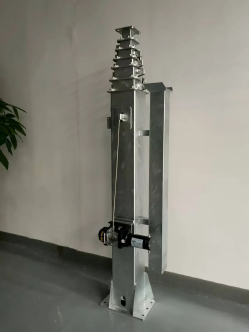
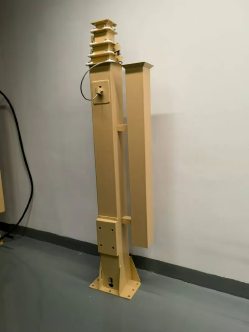
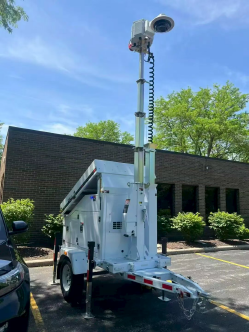
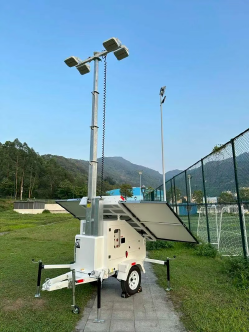
1. Determine the Basic Requirements Before Selecting a Mast
Before choosing a telescopic mast, the application requirements should be clearly defined.
1.1 Lifting Height
Common telescopic mast heights include:
6 meters
7.5 meters
9 meters
12 meters
A higher mast provides wider lighting coverage, but it also creates greater wind load and structural requirements.
For outdoor lighting towers, increasing the mast height should always be balanced with:
Material strength
Section wall thickness
Wind resistance requirements
Transportation limitations
A reliable design should focus on structural strength rather than simply increasing the number of mast sections.
1.2 Top Load Capacity
The top load includes:
LED lighting fixtures
Camera or monitoring equipment
Pan-tilt systems
Electrical cables
For mobile solar lighting towers, the recommended safety factor should be at least 1.5 times the actual load.
A sufficient load margin helps prevent mast deformation and improves long-term durability.
1.3 Retracted Height for Transportation
Since mobile lighting towers are usually transported by trailer or container, the collapsed mast height is an important consideration.
For example, a 7.5m telescopic mast should ideally maintain a retracted height of approximately ≤2.1 meters to improve logistics efficiency.
1.4 Operating Voltage
For solar-powered lighting systems, DC24V electric drive systems are recommended.
Compared with AC220V solutions, DC24V systems:
Reduce inverter losses
Improve energy efficiency
Integrate better with solar batteries
Provide safer outdoor operation
The lifting mechanism directly determines reliability and maintenance requirements.
Option 1: Electric Wire Rope Telescopic Mast (Recommended)
Electric wire rope telescopic masts are widely used in high-quality solar lighting towers.
Main Advantages:
✔ Mechanical self-locking function
✔ Stable positioning at different heights
✔ No air leakage problems
✔ Suitable for photovoltaic DC power systems
✔ Compatible with remote control and intelligent control systems
✔ Can include manual emergency operation
For outdoor applications such as mining and emergency lighting, mechanical reliability is especially important.
Recommended Configuration:
SUS304 stainless steel wire ropes
304 stainless steel bearings
Upper and lower electronic limit switches
Mechanical safety limit protection
Wear-resistant guide wheel bushings
These designs help prevent wire rope damage and improve service life.
Option 2: Pneumatic Telescopic Mast
Pneumatic masts have advantages such as:
Fast lifting speed
Lightweight structure
However, they have several limitations:
Rubber seals may age under temperature changes
Air leakage may cause gradual mast lowering
Continuous air pressure maintenance may be required
Low-temperature environments may affect sealing performance
Therefore, pneumatic systems are more suitable for temporary applications rather than long-term unattended outdoor operation.
Option 3: Hydraulic Mast
Hydraulic systems provide strong lifting capability, but they usually have:
Higher weight
Oil leakage risks
Higher maintenance requirements
For solar trailer lighting towers, hydraulic solutions are rarely preferred.
3. Material Selection and Corrosion Protection
Outdoor lighting towers require excellent corrosion resistance.
Recommended Material:
Q235 Steel Square Tube
Advantages:
High structural strength
Better anti-torsion performance
Improved stability under side wind loads
Reduced shaking after extension
Compared with round structures, square telescopic masts generally provide better rigidity for professional lighting towers.
Surface Treatment:
Hot-Dip Galvanizing
Recommended coating thickness:
≥80μm
Benefits:
Excellent corrosion resistance
Suitable for coastal environments
Suitable for mining areas
Suitable for tropical and high-humidity regions
Structural stability is often overlooked but directly affects field performance.
4.1 Section Clearance
The clearance between mast sections should be carefully controlled.
Excessive clearance may cause:
Large shaking after extension
LED fixture vibration
Increased mechanical wear
A professional mast should be tested under actual working conditions, including the lighting load.
Recommended requirements:
Normal operation under strong wind conditions
No permanent deformation under extreme wind conditions
When purchasing, customers should request wind resistance test data with the actual lamp load installed.
4.3 Wear-Resistant Bushings
High-quality polymer wear bushings should be used between mast sections.
They help to:
Reduce metal friction
Prevent operation noise
Improve lifting smoothness
Extend service life
Mobile solar lighting towers are designed for outdoor environments, so protection performance is essential.
Recommended specifications:
Drive enclosure protection: IP65 or above
Waterproof and dustproof electrical connections
Working temperature range: -25℃ to +55℃
These specifications allow reliable operation in:
African mining areas
Middle East construction sites
Cold climate regions
Remote industrial locations
For international projects, safety configuration is especially important.
A professional telescopic mast should include:
1. Mechanical Self-Locking System
The mast should remain stable even during power interruption.
2. Dual Limit Protection
Including:
Electronic upper/lower limits
Mechanical emergency limits
The system should automatically stop operation when abnormal resistance occurs.
4. Emergency Manual Operation
A manual hand-crank system allows operators to lower the mast even when the battery is empty.
This is particularly valuable for remote projects.
5. Standard Top Flange Interface
Compatible with:
Multi-lamp LED arrays
Camera systems
Monitoring equipment
Built-in cable protection prevents wire damage during repeated lifting operations.
7. Common Mistakes When Selecting a Low-Cost Mast
Low-cost solutions often create long-term problems.
Common issues include:
❌ Ordinary steel wire ropes instead of SUS304 stainless steel
❌ Insufficient wall thickness causing excessive shaking
❌ Lack of mechanical safety limits
❌ No emergency lowering function
❌ Poor surface coating causing corrosion
❌ Wind resistance data tested without lamp load
A lower initial purchase price may lead to higher maintenance costs and project risks.
Conclusion: Recommended Telescopic Mast Configuration for Solar Lighting Towers
For professional mobile solar lighting tower applications, a reliable configuration should include:
Electric telescopic lifting system
Q235 square steel structure
Hot-dip galvanized surface treatment
DC24V drive system
SUS304 stainless steel wire ropes
Dual safety limit protection
Mechanical self-locking function
IP65 protection
Top load capacity ≥50kg
Designed for strong wind outdoor operation
Selecting the right telescopic mast is not only about lifting height — it is about ensuring safety, reliability, and long-term performance in demanding outdoor environments.
Anhui Xingtong Technology Co., Ltd. is committed to providing reliable solar lighting solutions combining advanced energy storage technology, intelligent control systems, and durable outdoor structures for global customers.